

Journal · 2020-02-10
Needle Felting Explained: Roving or Batting?
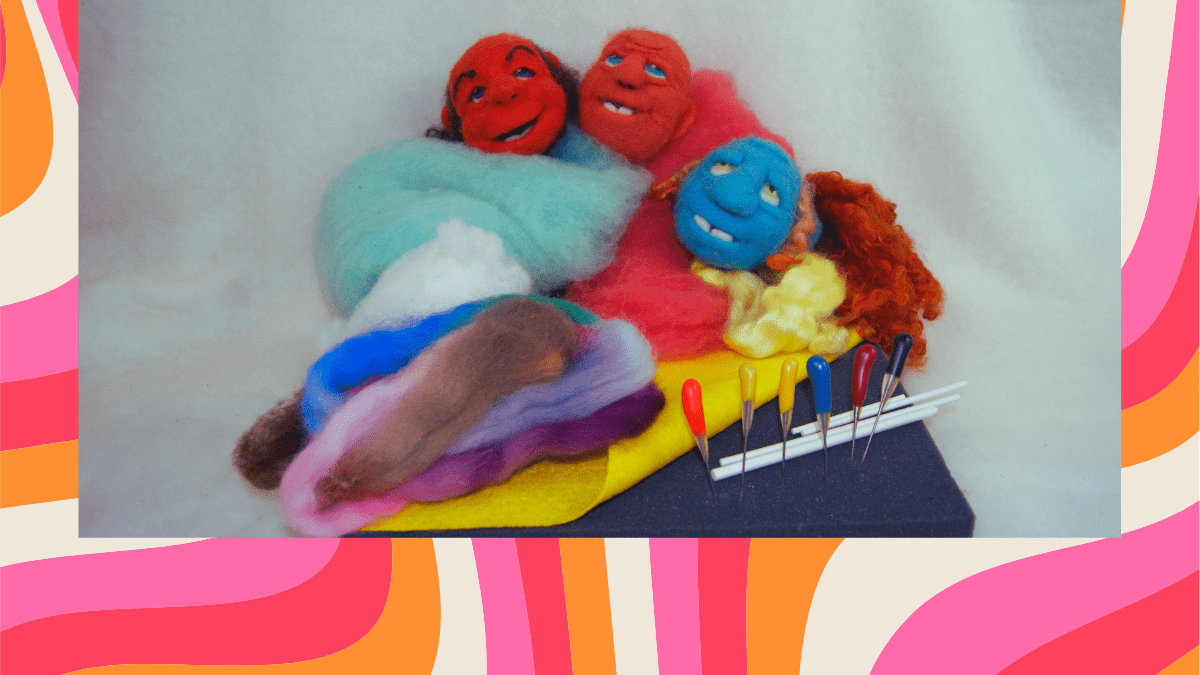
Shopping for wool for needle felting can be tough. Whether it’s roving or batting, understanding the differences can make it easier.
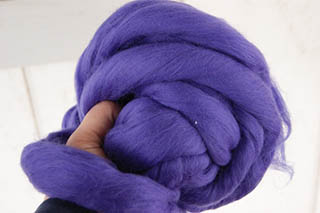
Needle felting is relatively new to the arts and crafts scene so we’ve had to adapt to using fiber (sheep’s wool, alpaca fiber, etc.) that is processed with other uses in mind, such as spinning (for knitting and weaving) and for quilting. There are many terms to describe the fiber and many breeds of sheep and other fiber animals to add to the confusion.
Understanding the Differences
Roving
The term ‘Roving’ has developed into a catch-word to broadly describe all types of fiber for needle felting and of course, this can be confusing to new needle felters.
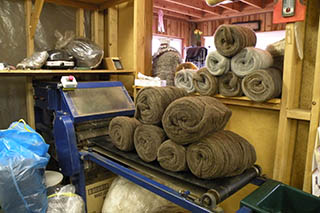
Basically, roving is long ropes of processed fiber ready to be spun into yarn.
Roving that goes through additional processing to remove the shorter fiber and comb the remaining longer fiber into neat strands is also called ‘Combed Roving,’ ‘Tops’ or ‘Combed Top’. Only the top-quality, long strands remain after all that processing.
Merino Roving is the most widely available type of wool on the internet and it is actually a ‘Combed Top’. It is a favorite for traditional wet felting and for spinning into yarn.
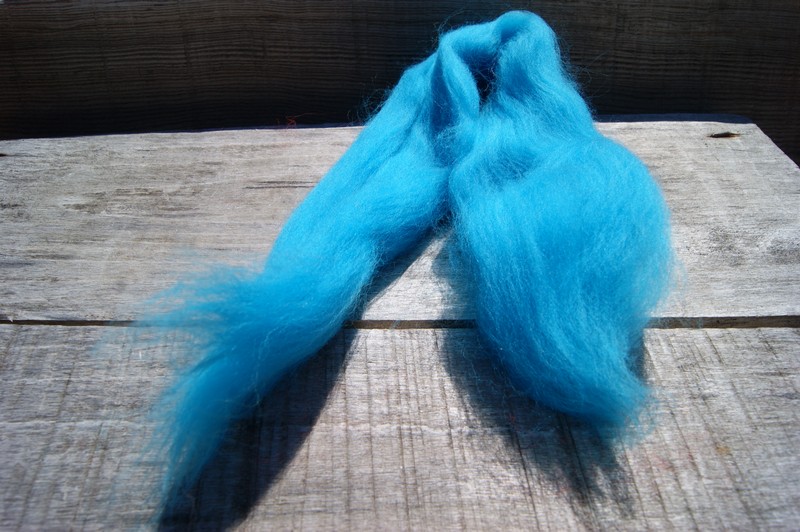
Because it is readily available so many needle felters wind up using roving for their projects. Roving is commonly used in needle felting for the fur of long-haired dogs and for doll hair.
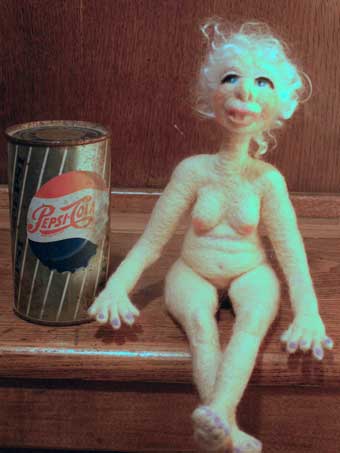
I made one of my first needle felted dolls out of Merino Roving. The fine, long strands of fiber were so difficult to felt and it took me sooooo many hours to complete her. It’s not impossible to felt with Merino Roving but expect to work harder to get it into shape. Sylvie is still a favorite in my collection to this day.
Roving that hasn’t gone through the final combing process is much easier to use for sculptural needle felting than combed top. It should feel a bit spongy and still has some shorter fiber that helps the felting needle tangle it into felt.
Batting
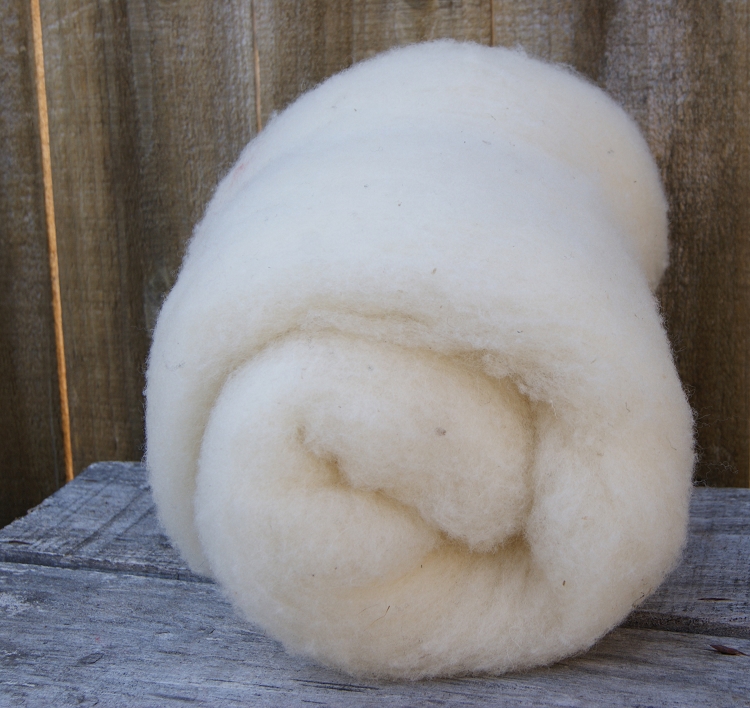
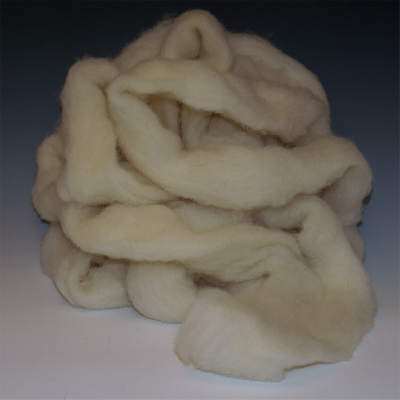
Fiber that has been prepared into sheets of lofty fiber that is traditionally used for quilt batting. Wool batting prepared for quilting crafters actually works pretty great for needle felting. It is also call ‘Batt,’ ‘Carded Batt’ or ‘Carded Batting.’
Since Batting hasn’t been combed out and processed into long strands, it is loftier than roving. The individual fibers of varying lengths are messy (going in all directions) and much of the shorter fiber remains.
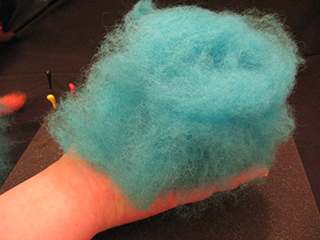
These qualities make Batting a fine choice for sculptural needle felting.
Batting can be harder to find than roving but is worth seeking out.
What do I prefer?
For sculptural needle felting, I definitely have a preference for Batting over Roving.
For creating lifelike needle felted sculptures, I love using wool batting and have found just a few types that work well for me. My Felt Alive dolls bend, move and flex without the use of wire armatures. To achieve that, I need wool that offers special qualities so my finished dolls are well-felted, flexible and durable.
As much as I love needle felting, I love seeing progress fairly quickly. Wool that felts fast is a quality that is essential for this impatient girl. Crimpy fiber from sheep breeds such as Corriedale, Merino X or Norwegian C1 in batting form are my favorites.
When you use batting for needle felting instead of combed roving, the shorter fibers mix with the longer ones to make felt faster. Combed roving’s long strands can create grooves, ridges, and lines that are hard to work around. The surface of the sculpture is also likely to show needle holes.
Batting is loftier (holds more air) than roving and I find that my creations tend to be more flexible (or alive) than the ones I created using roving, which tend to be much firmer and stiff.
I save the gorgeous strands of combed roving for needle felted doll hair.
Finally, keep in mind that all not breeds of wool work great for needle felting no matter how it is prepared. I bought some carded batting from a small mill thinking it would work great. I don’t recall the breed of sheep but no matter how hard I tried, I just couldn’t get the fiber to tangle together.