

Journal · 2024-02-10
Needle Felting Explained: Why Do My Felting Needles Break?
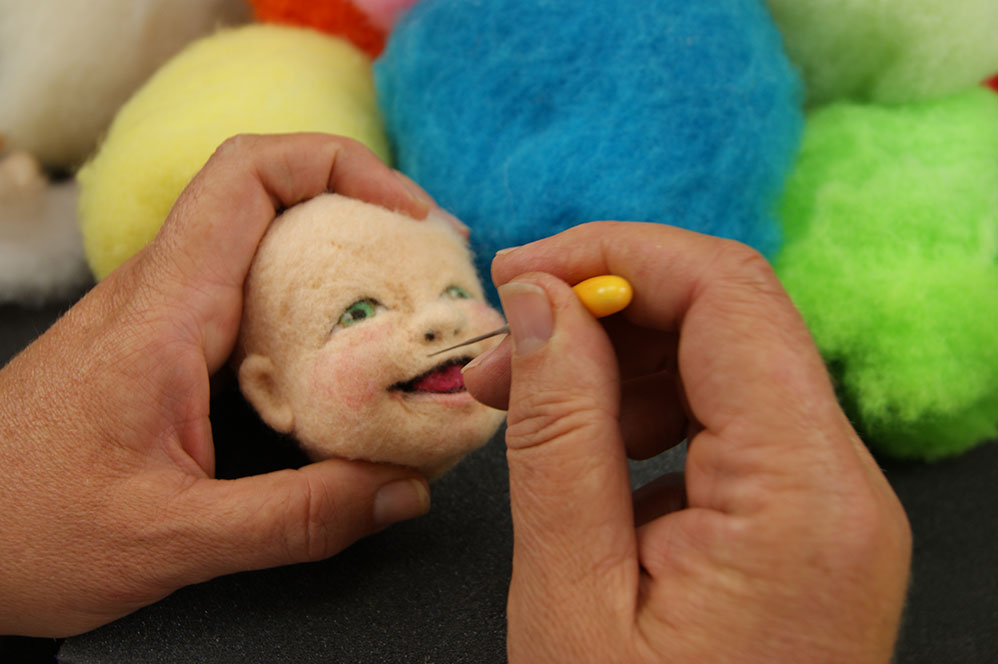
Why, oh why, do my felting needles break? Let’s face it – there isn’t much needle felting happening with a broken felting needle. The instant you hear the dreaded ‘snap’ it’s too late – it is now useless for felting.
And to top it off, it’s likely you have to track down the severed blade. Hopefully it’s not buried deep in your project. (The stories I’ve heard from my students – even high powered magnets have come into play.)
Felting needles are fragile and they do break easily but with a few simple adjustments to your technique and felting habits you can minimize the problem.
After years of needle felting, I still break a needle from time to time. Thankfully, it’s more of an anomaly than a regular occurrence.
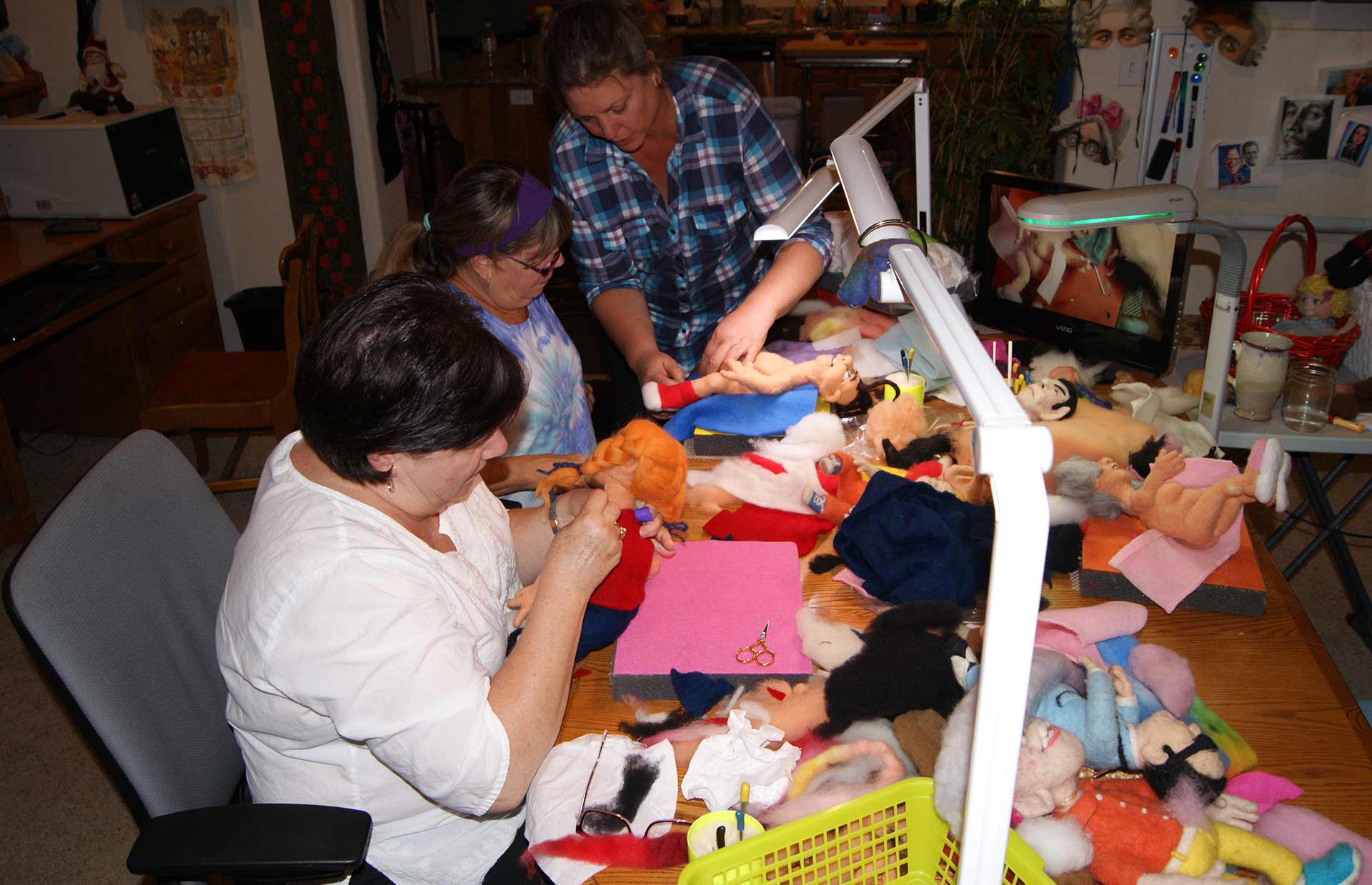
Teaching needle felting classes has been a great way for me to observe the most common mistakes that lead to needle breakage.
Breaking Down The Reasons
Why Your Felting Needles Break
Lighting
If you can’t see your project well you are more likely to miss your mark and break your needles. Make sure you are set up at a table with good lighting.
Work Surface
Felting needles are sharp and can easily glide right through your projects. It is really important to work on a resilient surface that doesn’t offer much resistance to the needle. I you are working on a table, your needle will break when the tip hits the table.
If you are holding your work in your hand, your needle will likely break your needle if it travels into your hand. (plus, ouch.) I’ve used pillows and folded towels as my work surface but I was breaking too many needles. If you aren’t working on a resilient surface, your needles are likely to break.
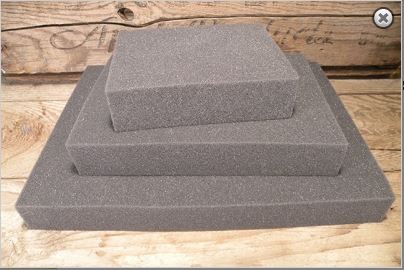
I use high-density open cell poly-foam that’s 1 1/2″ thick. It takes the abuse of needle jabs and slows down the needle so it doesn’t travel through to the table beneath.
Closed cell foam like garden kneeling pads doesn’t hold up to needle jabs and there is much more surface resistance to break your needles. The needles do glide into upholstery foam, it holds up to jabbing but it is just too soft and squishy. Stabbing a sharp needle into a bouncing project is dangerous both for your needle and for you.
Grip
If your needles break while you are working, the way you hold your needle is something to pay attention to. Maintain a light grip and never press down on the shaft of the needle with your index finger while felting. If you can visibly see the blade of your needle flexing, it’s crucial to reassess your technique because you are likely going to break your needle.
If you find yourself gripping your needle so tightly that your knuckles turn white, it could definitely be a problem.
Relax your grip and you will have a much more relaxing creative experience.
Holding onto a bare end of a standard needle requires a tight grip to keep hold of it as it pierces in and out of your project. This can cause needle breakage and fatigue and is one of the reasons we developed the cushioned grips at the ends of our Felt Alive needles.
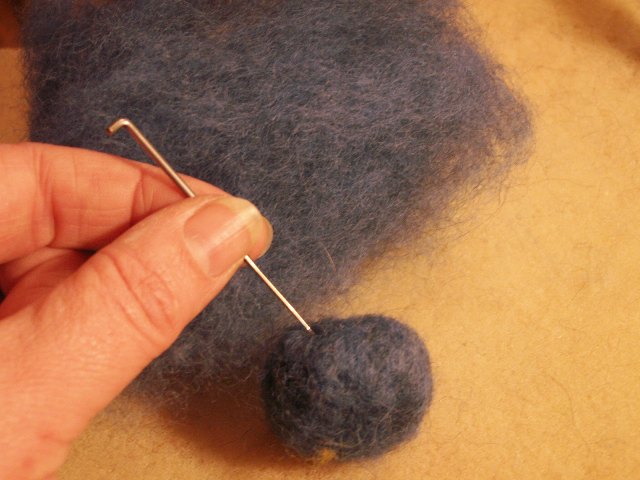
Prying and Pulling
Another common issue with beginners is the tendency to use the felting needle to pry and pull the fiber into place as they work. Needles break with very little stress so pick a stronger tool, like a strong sewing needle to do the tough work.
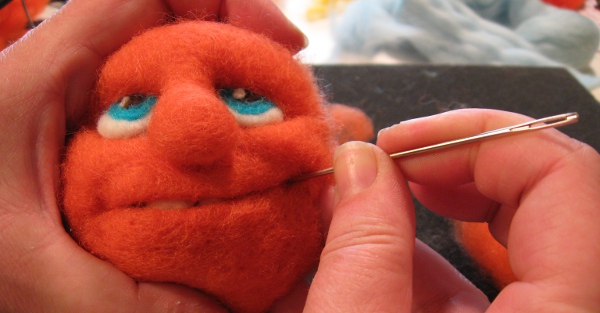
After too many hard lessons myself, I use a strong sewing needle to manipulate the wool and then felt it into place with my felting needles. You can see how I use a felting needle for needle felting in all of all of my videos.
Angle
It’s crucial you glide the needle in and out of your project without changing the angle mid stroke. You don’t need jab into your project straight up and down. I am constantly changing the angle of my needle strokes as I sculpt. And sideways felting is useful for surface finishing but again, it’s crucial that you don’t change the angle mid stroke.
Depth
Deep jabs are another problem. Driving the blade of the needle beyond the area you are felting isn’t helpful. If you find your needle going through your project and deeply into your felting pad, you are working too hard and stressing your needles.
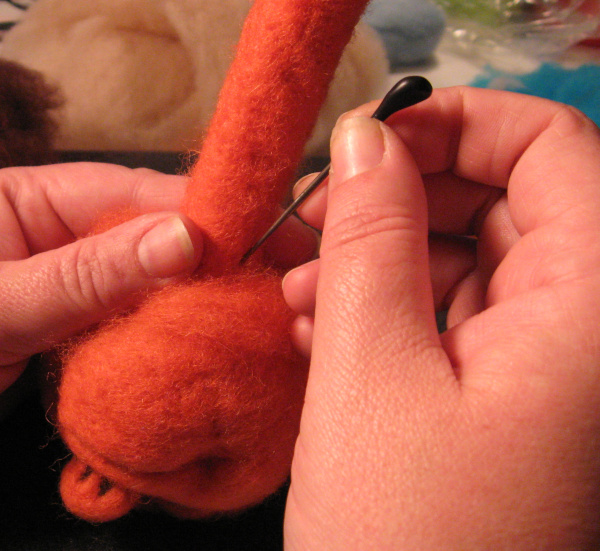
Deep jabs are necessary when attaching parts as my goal is to push fiber from one part deep into another. I am careful and slow and follow the angle rule using a heavy gauge 36t needle for this task.
Speed
Needle felting takes a lot of time and a lot of jabbing. The desire to go fast is likely the top reason why felting needles break. When meeting a deadline for a custom project I have found myself speeding along (and breaking needles) but I do find that I actually felt faster and better when I slow down a bit.
Take your time and enjoy the process. Hurried felting means you are more likely to break needles and injure yourself with a sharp needle jab.
Don’t be that person that jabs away at 90 miles an hour and goes through boxes of band-aids at breakneck (or should I say breakneedle) speed.

Force
The force in which you jab your needle into your project might be a reason your needles break. When observing beginner needle felters it seems there are two types – ones that use delicate gentle jabbing motions and ones that hammer up and down using the force of their whole forearm. It’s not hard to guess who breaks their needle first.
I typically keep my forearm at rest at the edge of my felting pad while my wrist and fingers to do the jabbing work. I roll my work into the needle instead of moving my arm around to felt another side of my project.
Here is a video that demonstrates:
A relaxed grip is much easier with Felt Alive Felting Needles >
Density
The more you jab the firmer your project becomes. If you tend to felt your projects until they are quite firm, you are much more likely to break your needles. Switching to a finer gauge needle that glides in easily will help you continue, with caution.
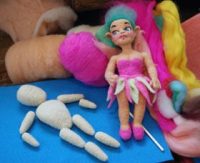
The body parts of my dolls much are felted much denser than the outer layers. Attaching these dense parts can put strain on my needles.
Handles
When I first started needle felting I broke a bunch of needles when I tried to use felting needle holders (aka handles.) I tried out those wooden kind that hold a single needle but the weight of the handle made my needle quite top-heavy. My needles were constantly breaking off both at rest and while using them.
On a side note; I find those handles make the overall tool so long that I lose fine control. This is another reason we love our Felt Alive Felting Needles – the grips are lightweight and add very little extra length to the tool.
Breaking When NOT in Use!?
The most frequent way I break my own needles is when they are at rest in my felting pad. I inevitably bump into them with my hand snapping the tip off in the pad. So irritating!
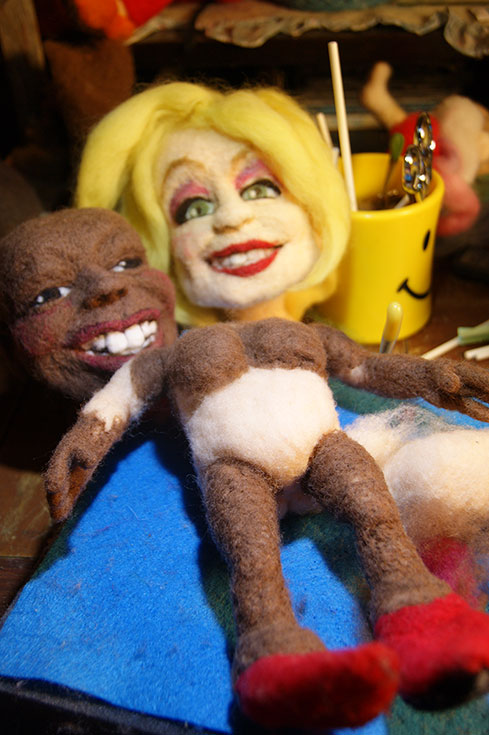
The yellow needle hiding by Whoopi’s arm is in peril of breaking off in my felting pad. It should be at rest in my ‘Happy Cup’.
If you want the backstory of why li’l Whoopi had to steal li’l Dolly’s in-progress body to meet a deadline. Click Here >
Even worse, I’ve been known to clumsily knock my felting pad full of needles onto the floor. I’ve broken half a dozen needles at a time with this kind of tragedy.
To give my needles a safe place to rest, I use a deep plastic cup stuffed with wool I felted down into the bottom third, creating a pincushion-like effect.
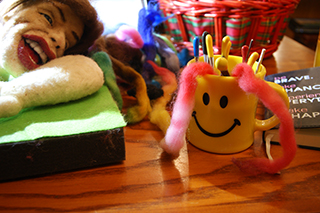
My ‘Happy Cup’ provides ample protection for my needles in case the cup falls.
While I advise my students to keep their needles safely away from their felting pad when not in use. Personally, I struggle to follow my own advice.
When deep into my project my felting pad gets loaded with the variety of needles I’m using.
Do you see the early prototypes of Felt Alive felting needles in grave danger behind the creative chaos of bringing Li’l Freddie Mercury to life? Are those scissors laying on top of that poor needle? Just don’t do that and your needles should be fine.
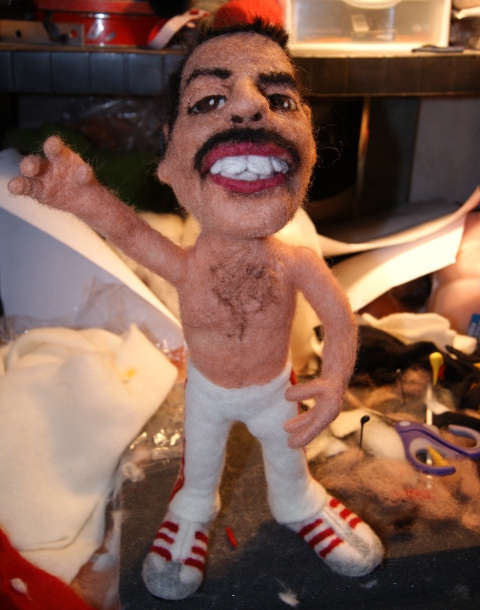
Following my own advice is something I try to do because breaking a perfectly good felting tool is maddening.
I teach my students with the hopes they’ll develop good habits from the beginning. One of my students has been using the same Single Point 40t as her main felting needle for over 10 years with regular use. AMAZING is what I say.
My best advice is this; felting needles break so make sure to have extra on hand!